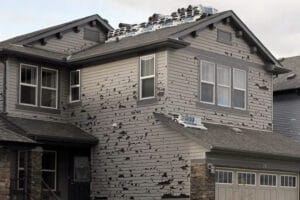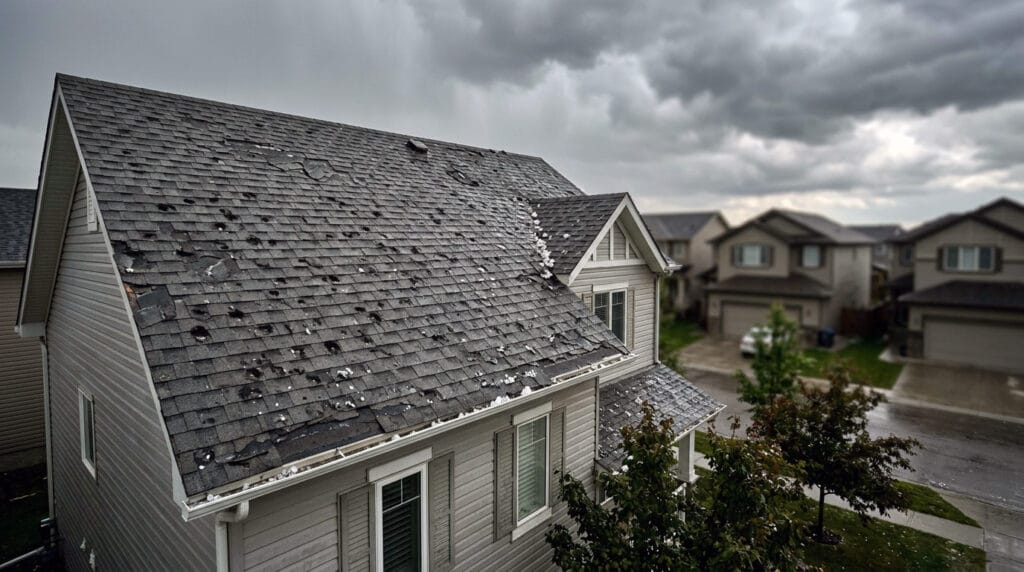
Impact-resistant shingles sound like the obvious answer for Calgary homeowners. After all, Calgary gets some of the most severe hailstorms in Canada. So when a contractor or insurance company mentions “impact-resistant” or “Class 4” shingles, many homeowners naturally assume that means their next roof will be much safer from future hail damage.
But here’s the truth: Impact-resistant shingles can still fail in Calgary hailstorms — and sometimes in ways homeowners don’t realize until much later. That doesn’t mean they are a bad product. It means they are often misunderstood.
What Homeowners Think “Impact Resistant” Means
A lot of homeowners hear the phrase “impact resistant” and understandably assume it means:
- Less chance of damage
- Less chance of an insurance claim
- Less chance of replacement after the next storm
And while impact-resistant shingles can offer some improvement in certain situations, that wording often creates the wrong expectation. Impact-resistant does not mean impact-proof. It simply means the shingle has performed better under a controlled test compared to a standard product.
Why Lab Tests Don’t Equal Real Calgary Hail
Impact ratings are based on standardized testing, but real hailstorms are far less predictable. In the real world, hail varies in:
- Size
- Density
- Wind speed
- Angle of impact
- Concentration on certain roof slopes or details
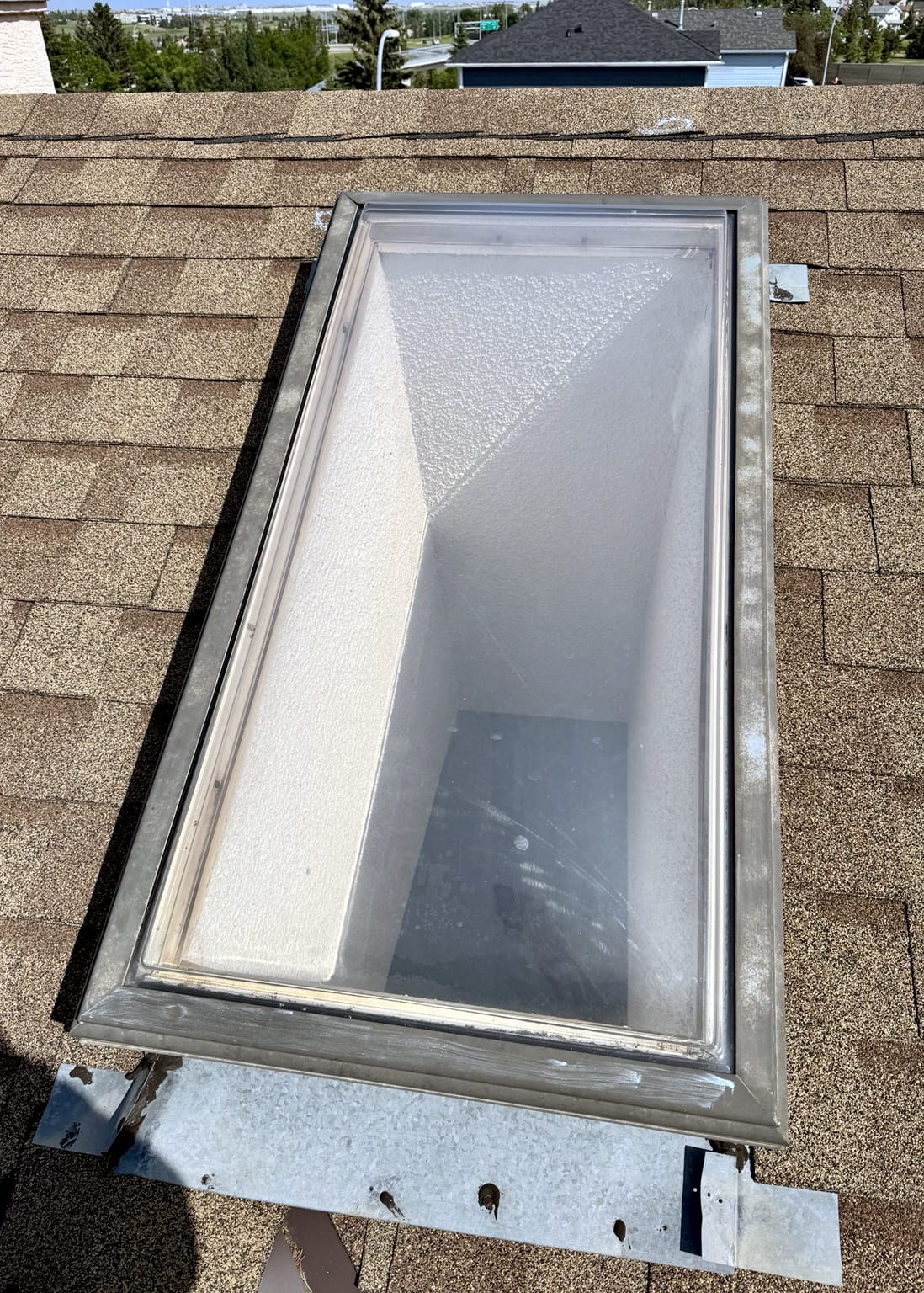
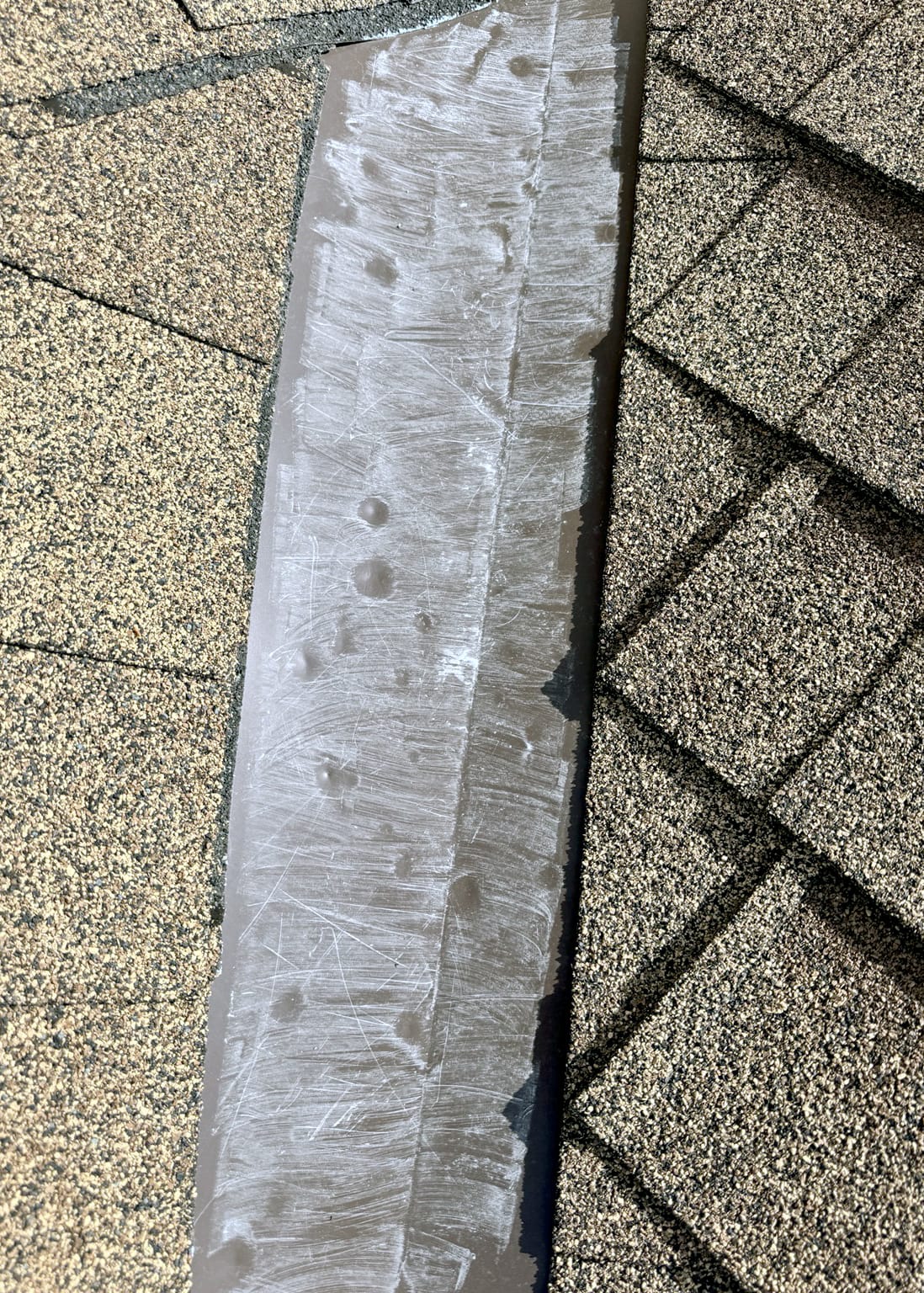
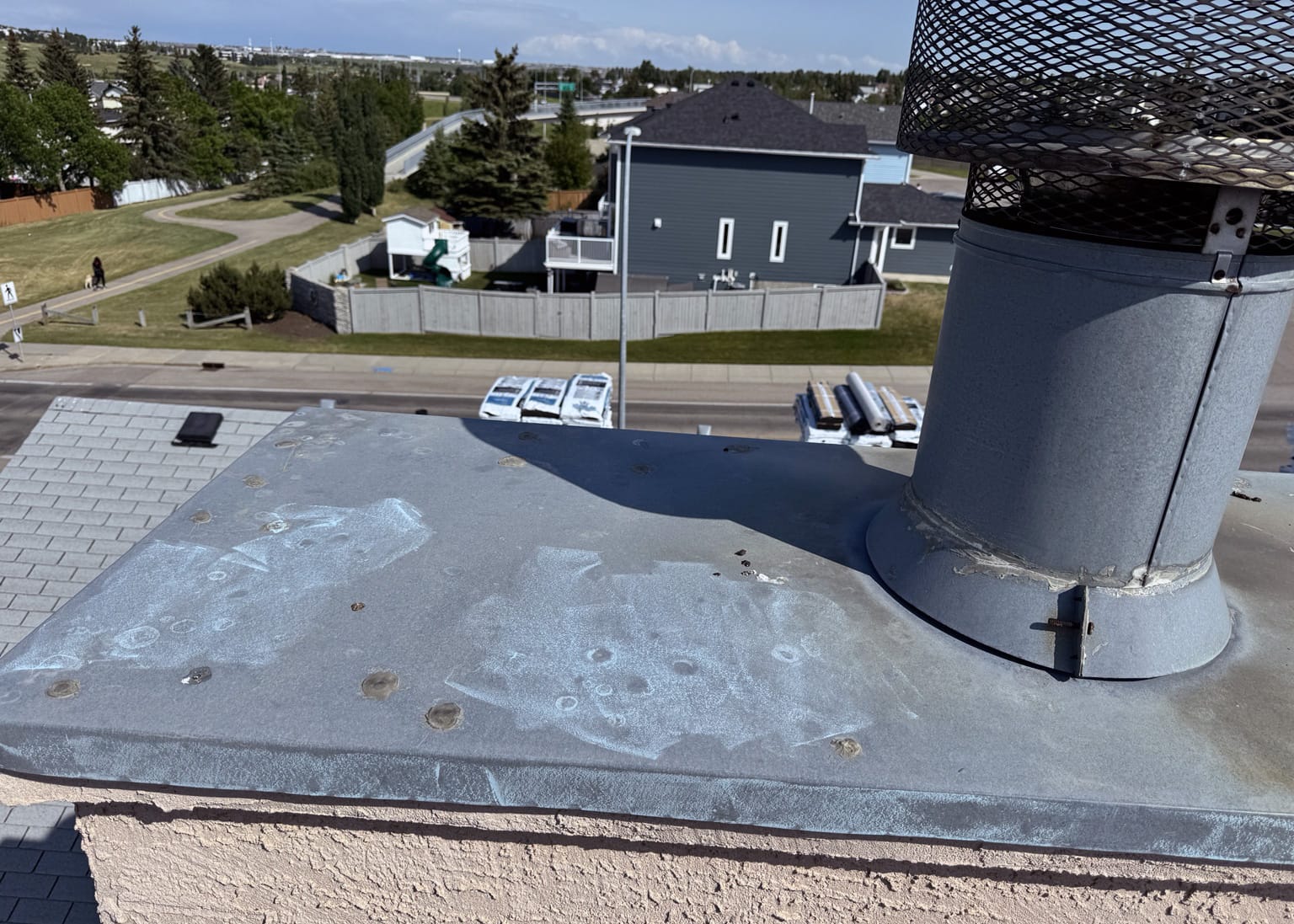
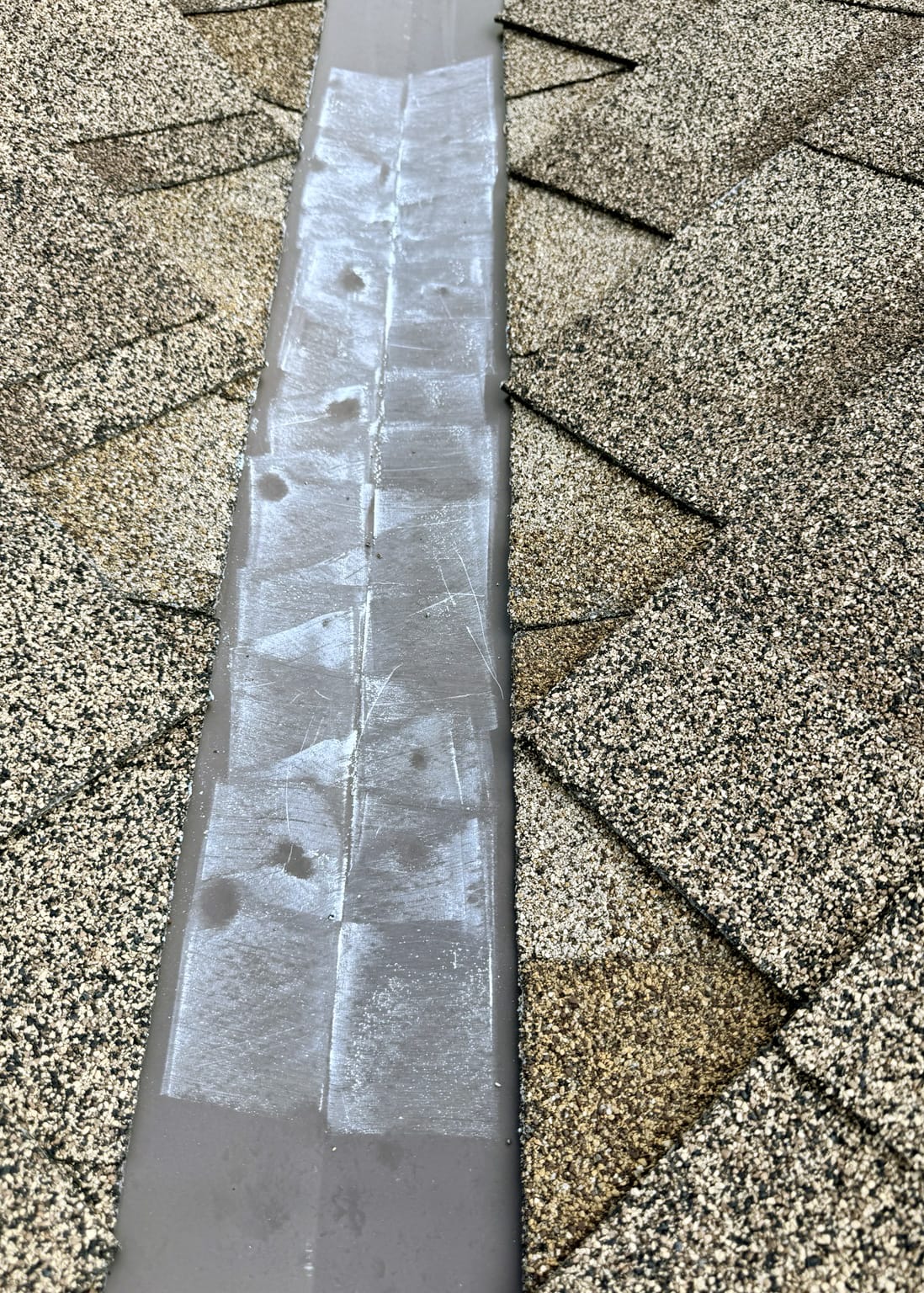
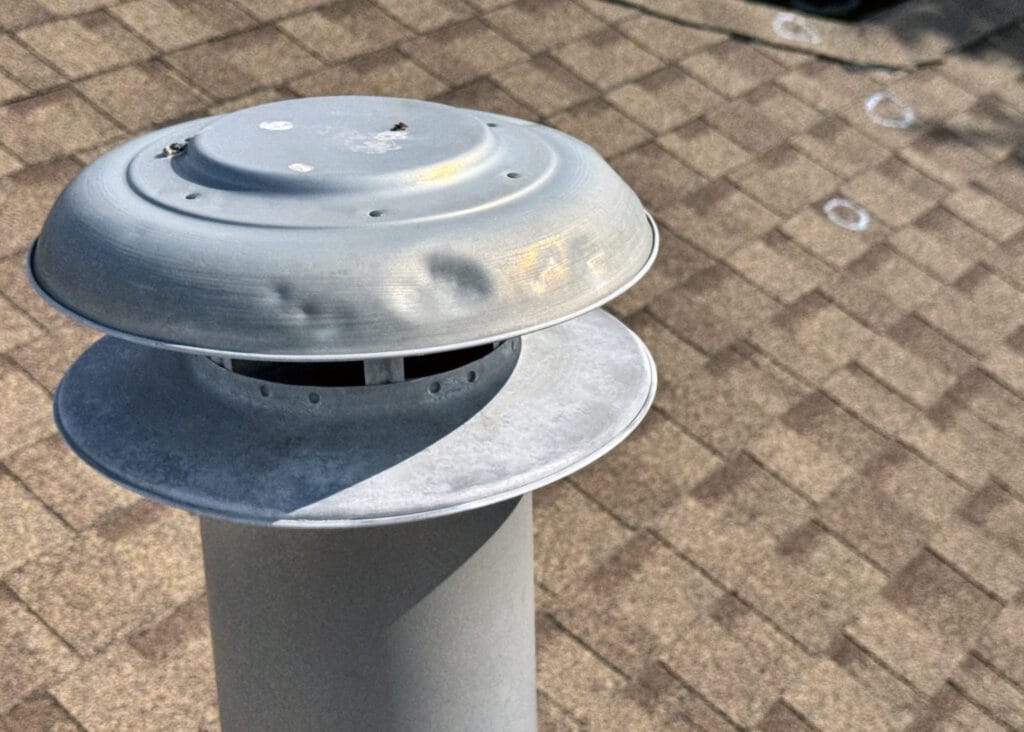
That matters because a roof does not get hit evenly. One area may look fine while another gets heavily impacted. Metal flashings, vents, skylights, ridge caps, and other vulnerable areas often take concentrated damage that a lab test does not fully reflect.
How Impact-Resistant Shingles Still Fail
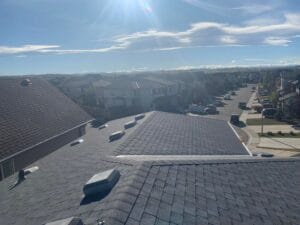
Even when the shingles themselves hold up a little better, the roof system as a whole can still fail after a major storm. That can include:
- Bruising to the shingle mat • Granule loss
- Surface fractures
- Premature aging
- Damage to ridge caps
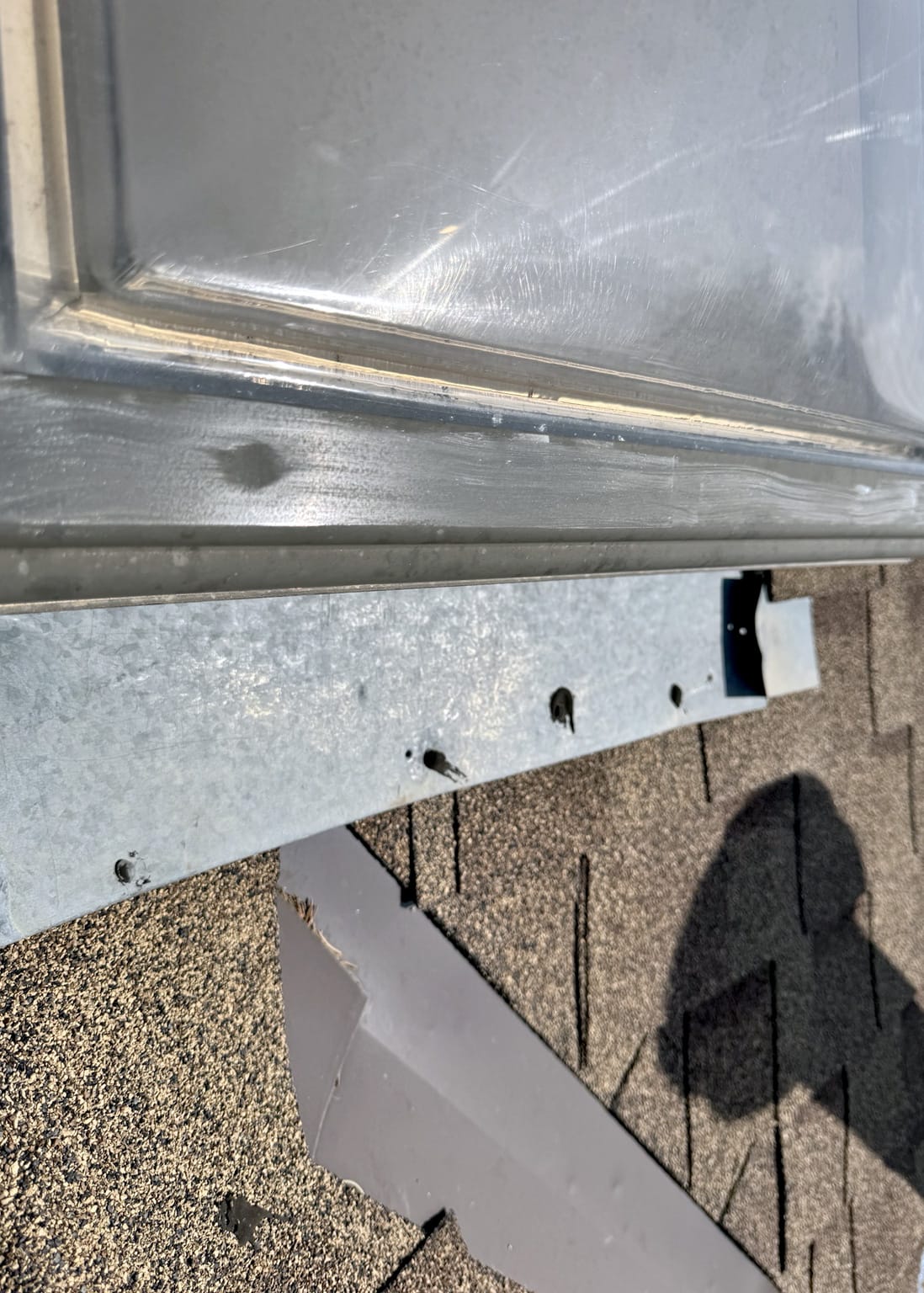
- Damage to flashings and roof accessories
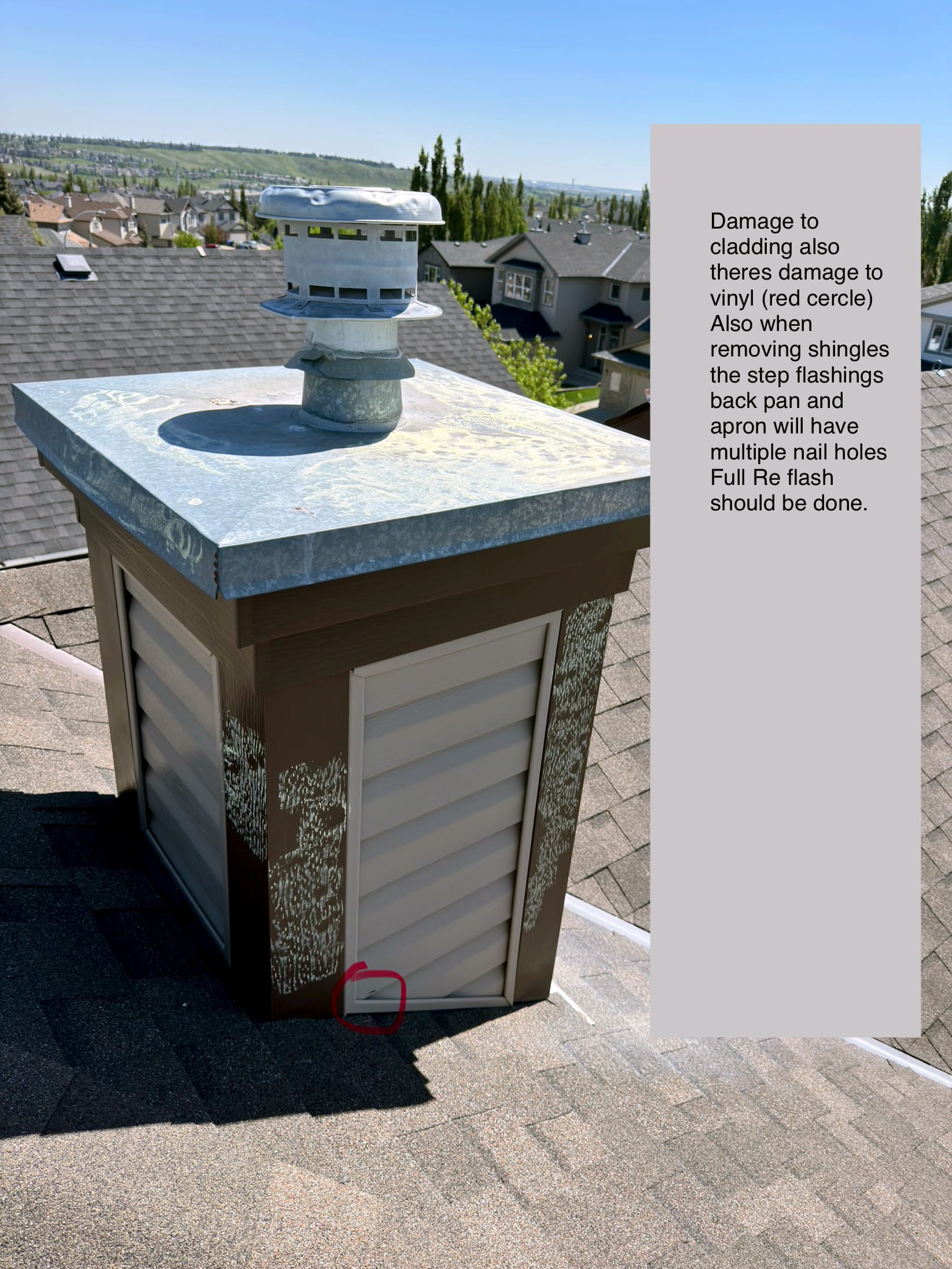
- Damage to soft metals and cladding details
This is one of the biggest reasons homeowners should not judge roof condition by shingles alone.
It’s Not Just the Shingles That Matter
A hail claim is rarely just about the field shingles. On many roofs, hail also damages:
- Skylight flashings
- Ridge metal
- Furnace and plumbing vents
- Chimney caps
- Cladding on rooftop structures
- Step flashing and apron flashing transitions
And that matters because even if a contractor or adjuster focuses heavily on the shingles, the accessories and surrounding components may still justify a more complete scope of repair.
Why Re-Use Is Often a Bigger Problem Than Homeowners Realize
This is where many homeowners get caught off guard. Once shingles are removed, nearby flashings and transitions often cannot simply be put back as though nothing happened. In many cases:
- existing nail holes remain
- metal has already been impacted or distorted
- surrounding cladding has visible damage
- step flashing or apron flashing loses its original integrity once disturbed
This is especially important around skylights, walls, chimneys, and roof-to-wall transitions. A roof system should be restored to a proper, watertight condition — not just patched back together because the main shingles were replaced.
The False Confidence Problem
One of the biggest problems with impact-resistant roofing is the false confidence it can create. A homeowner may assume: “My roof is impact resistant, so I’m probably fine.” But after a Calgary storm, that assumption can work against you. Damage may still be present, and if it goes unchecked:
- claim deadlines can pass
- deterioration can continue
- related metal and flashing damage can be missed entirely
That is why post-storm inspection still matters — even on upgraded roofs.
What Calgary Homeowners Should Actually Focus On
Instead of asking: “Will impact-resistant shingles stop hail damage?” A better question is: “How will this roof system realistically perform in Calgary weather?” That includes:
- the shingle itself
- installation quality
- flashing details
- ventilation
- accessory replacement where needed
- whether damaged materials are being restored properly
That is the difference between a sales pitch and a real roofing decision.
Final Verdict
Impact-resistant shingles are not a scam, but they are often oversold. They can offer modest improvement in some storms. But in real Calgary hail, they can still fail — and the roof system around them can absolutely still suffer meaningful damage.
The smartest homeowners are not the ones who assume their upgraded roof is safe. They are the ones who understand that every hailstorm still deserves a proper inspection.
If your roof has been through hail, don’t just look at the shingles.
A proper inspection can help identify:
- lashings
- vents
- skylights
- cladding
- ridge details
- hidden accessory damage
Caliber Roofing & Exteriors provides honest, no-pressure roof inspections to help Calgary homeowners understand what was actually damaged — and what should not be overlooked.